A quiet wardrobe is built on fit and fabric, not on logos. The people who dress best in a room are rarely the ones whose clothes announce a brand.
Fit comes before label
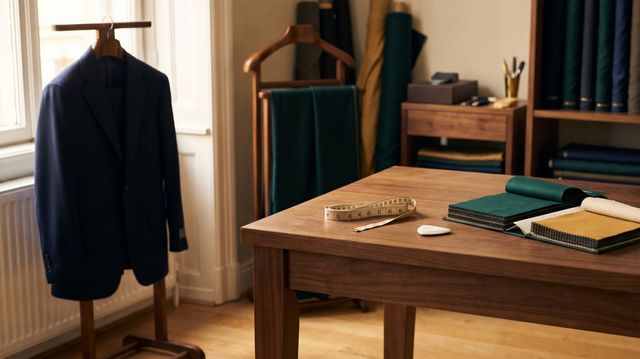
A modest jacket that fits well looks more expensive than a costly one that does not. Check the shoulder seam sitting at the edge of your shoulder, the sleeve showing a little shirt cuff, and trousers that break lightly over the shoe. A good local tailor can fix sleeves, hems and waists for a small fraction of the price of the garment. Budget for alterations from the start.
Choose natural fabrics
Wool, cotton, linen and silk breathe, drape and age well. Synthetics tend to hold heat and show wear sooner. In Indian weather, lightweight tropical wool, fine cotton and linen blends carry you through most of the year, and a light jacket handles the cold of air-conditioned rooms.
A palette that works together
Keep to a few colours that mix freely: navy, grey, white, ecru, olive and black. When almost everything goes with everything else, getting dressed takes two minutes and mistakes become rare.
The ten pieces
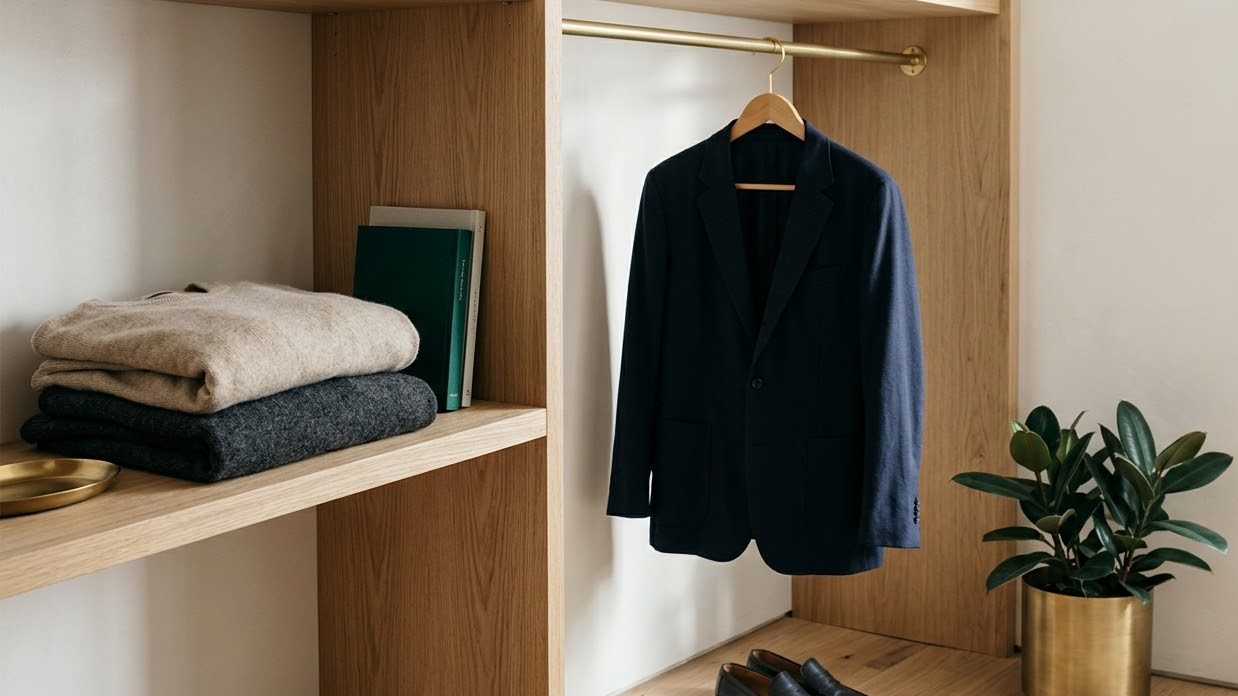
- A navy blazer, unstructured or lightly structured
- Grey trousers in a lightweight wool
- A white shirt in a good cotton
- A pale blue shirt
- A fine knit in merino or cotton
- Stone or olive chinos
- A plain leather belt
- Brown leather shoes with leather soles
- Black leather shoes for formal occasions
- A light overcoat or jacket for cold rooms and travel
Details that signal care
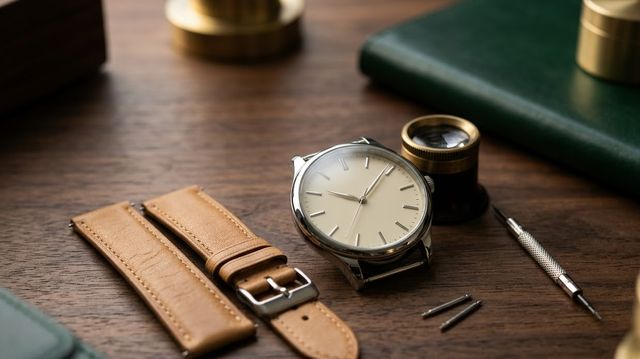
Polished shoes, pressed collars, a watch that is not oversized, and a belt that matches the shoes. Rotate your shoes so each pair rests for a day. Use wooden shoe trees. Leather soles can be replaced by a cobbler, which is a good reason to prefer them.
Buy less, buy better
The aim is a smaller wardrobe that works every day. Add one good piece at a time, wear it often, and take care of it. The result looks consistent, and consistency is what people read as taste.