Something expensive costs a lot. Something luxurious earns what it costs, and keeps earning it year after year. The two are easy to confuse, and they are often sold as if they were the same.
1. Does it improve with use?
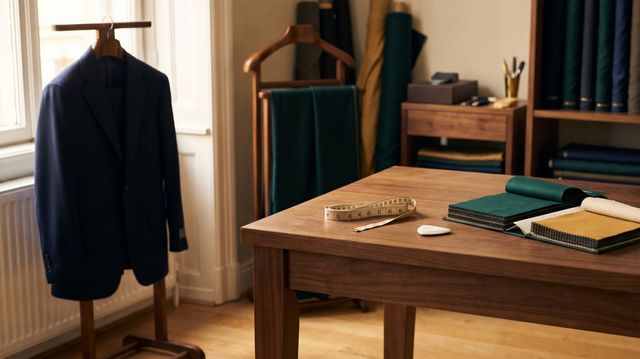
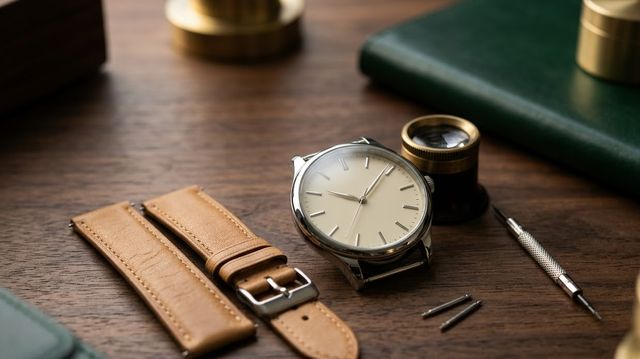
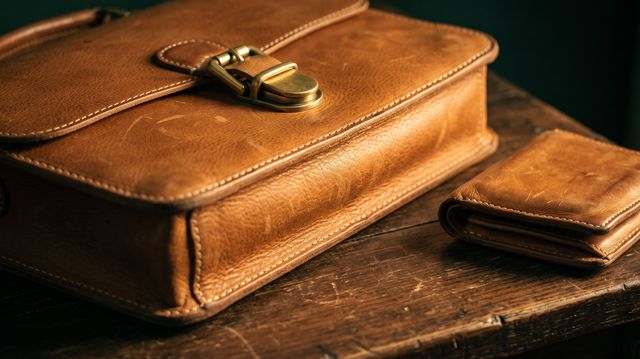
Good leather develops patina, good wood deepens, and a well-made watch keeps time for decades. If an object looks worse after a year, you paid for newness and not for quality.
2. Can it be repaired?
Luxury is made to last, and the maker stands behind it. Ask whether the shoes can be resoled, the bag re-stitched, the watch serviced. If the answer is "replace it", the price was for the label.
3. Would you still want it without the logo?
Remove the name and look at what remains: the material, the finish, the proportions. If the object has nothing to say once the logo is gone, you are renting a status.
4. Does it save you time or attention?
A well-made object removes small frictions. The pen that never skips, the coat that suits every season, the bag that holds exactly what you carry. True luxury is often the absence of a nuisance.
5. Is the maker open about materials and origin?
A maker proud of its work tells you where the materials come from, who made the piece and how. Vague promises and a lot of adjectives are a bad sign. Specifics are the mark of confidence.
6. Would you choose it again in five years?
Trends fade, and a good purchase outlasts them. A simple test is to picture the object in your life in five years' time. If you cannot, it is probably a passing taste.
The same tests apply to people
A personal brand can be expensive without being luxurious. Heavy design, large claims and constant promotion cost a great deal and say little. The brands that endure do the quieter things: they are clear, consistent, specific and easy to trust.
Luxury, in the end, is restraint backed by quality. Spend where both are present, and the rest takes care of itself.